Galaxy A56 5G Ownership Review: Buy the Support Window, Check the Exact Variant
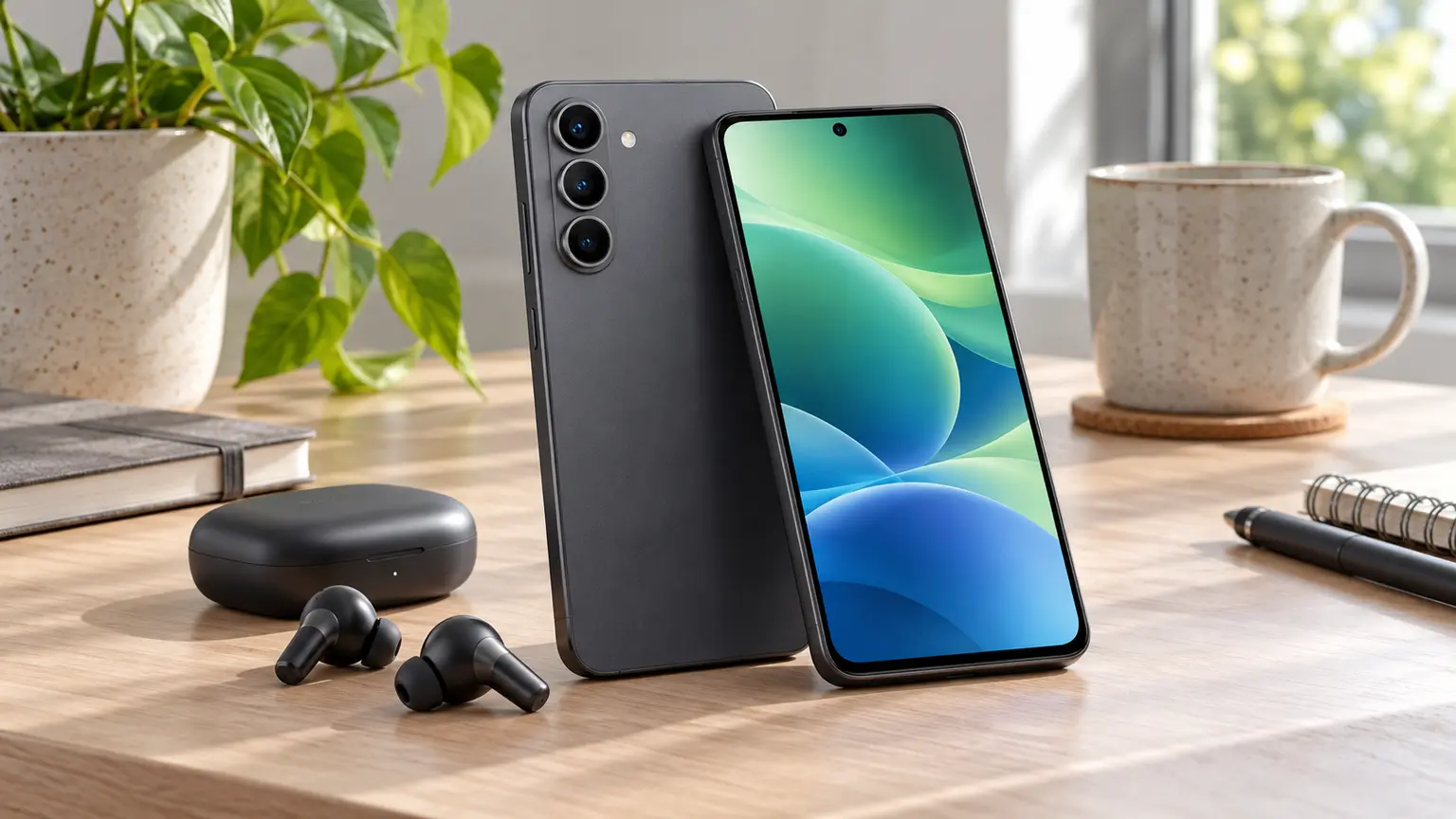
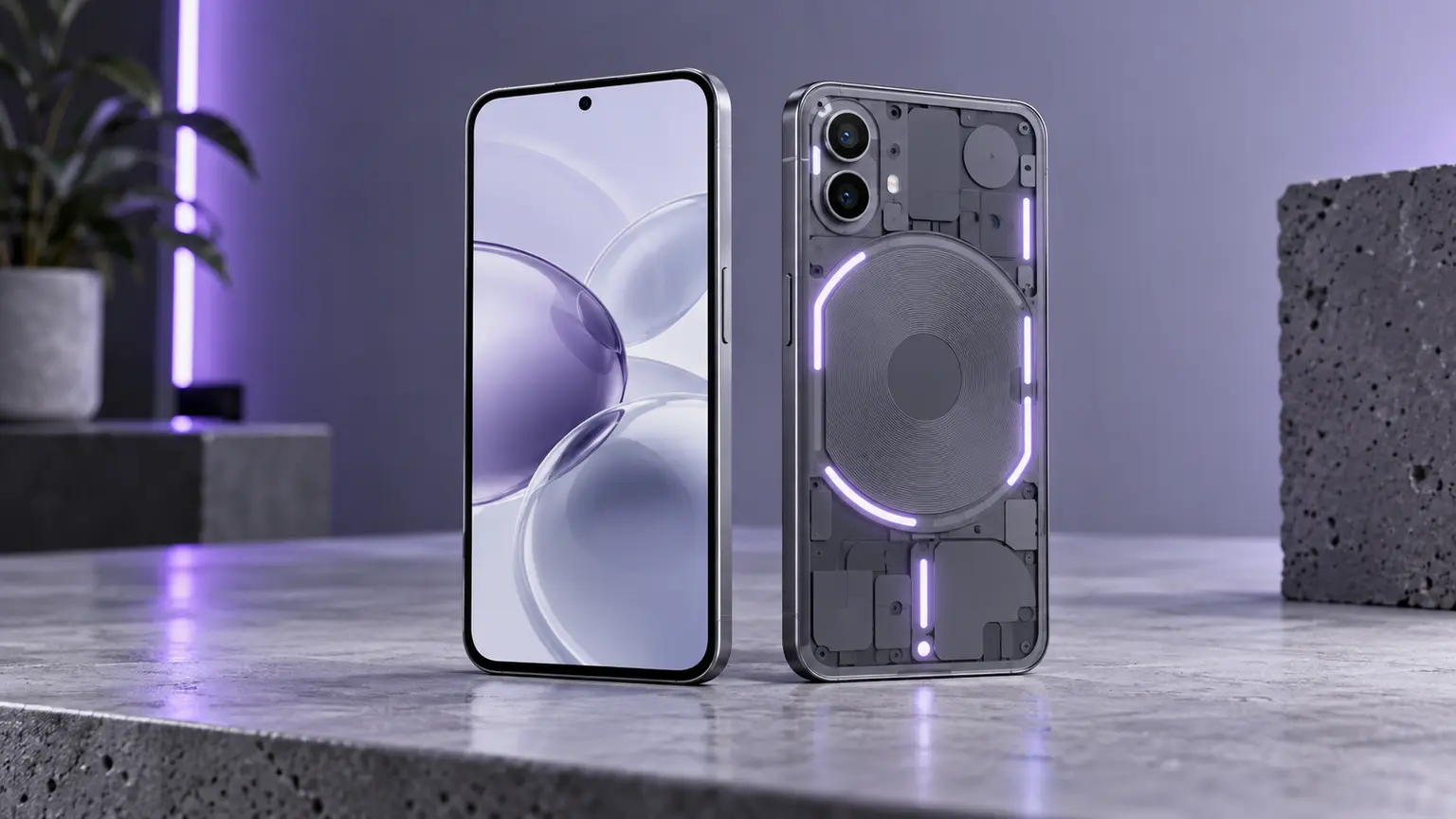
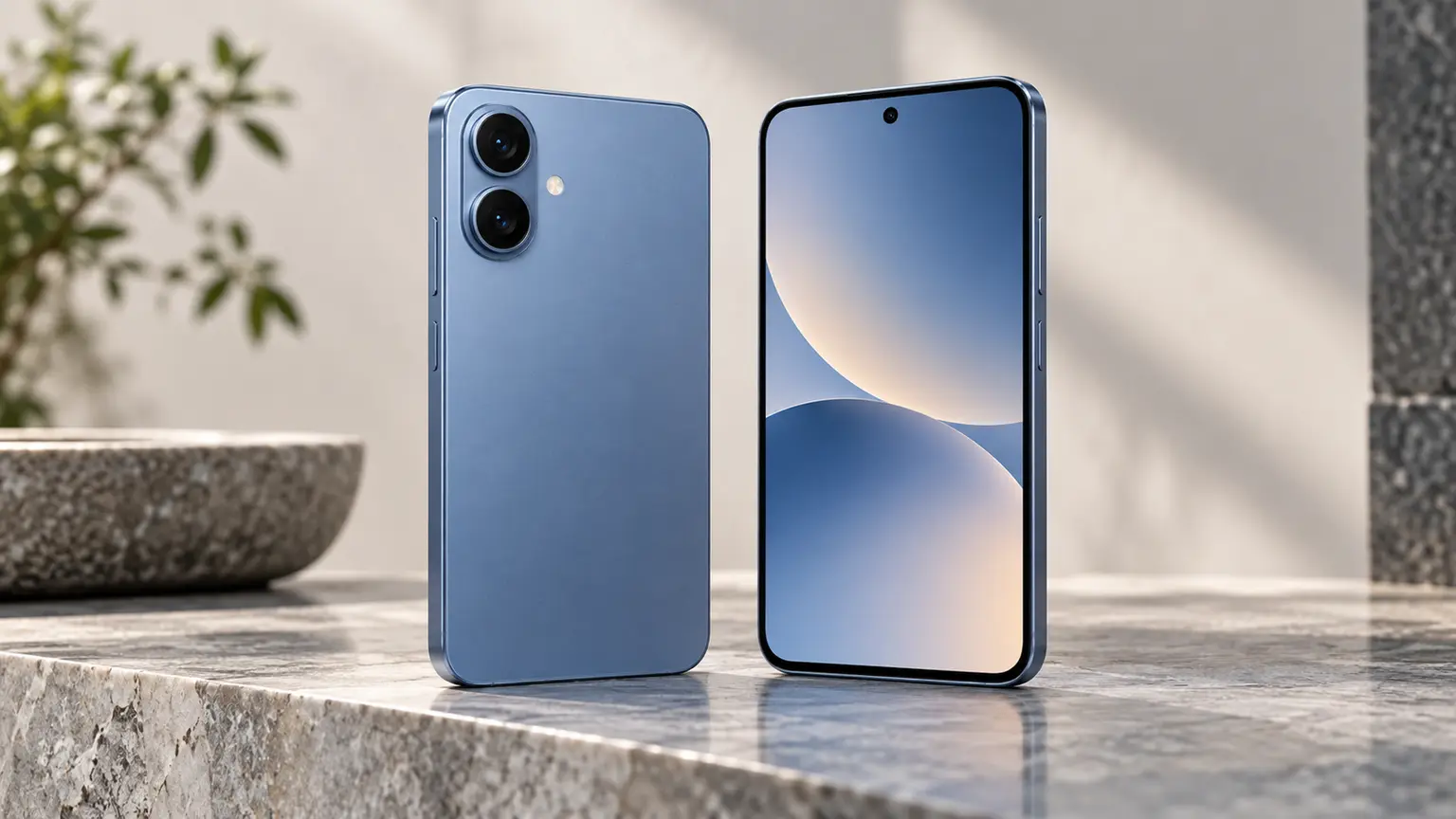
Samsung’s Galaxy A56 5G has a persuasive ownership proposition: a mainstream Android phone with a published policy of up to six operating-system generations and six years of security updates. That makes it worth considering when you want a phone to remain useful beyond the first battery. The purchase still needs an exact-variant check, because a model family name is not a complete description of storage, service eligibility or the seller’s warranty.
The assessment here uses Samsung’s published specifications and explains how to judge an offer. It is not a report of hands-on battery, reception or camera testing. The aim is to identify the conditions under which an A56 purchase makes practical sense, including the costs that a specification list leaves out.
What the support policy buys you
A longer update policy reduces the chance that healthy hardware will be retired solely because ordinary security coverage ends too soon. It also gives a battery replacement a better chance of being worthwhile later. That is useful optionality, not a guarantee that every application or future feature will remain available throughout the entire period.
Samsung qualifies upgrade timing and availability by device and market. Check the policy for the model you will actually receive, and count remaining support from the model’s release timeline rather than from the day the seller takes your money. For old stock, the unopened box does not stop that clock.
The large screen is a buying constraint as well as a feature
Samsung lists a 6.7-inch display and a typical 5,000mAh battery for the A56. A larger display may suit reading, maps and video, but it also changes one-handed use and pocket comfort. Those are physical fit questions that should be resolved before comparing processor names. If you use your phone while travelling or carrying something, try reaching your common controls with the intended case fitted.
Do not convert the battery capacity or an advertised video figure into a promise of all-day navigation. Navigation adds sustained display use, radios and processing that a controlled playback scenario does not represent. Use your current phone’s workload as the starting point and compare independent measurements only when the test conditions are stated clearly. This review does not supply a measured runtime result.
Choose storage from your own history
An A56 listing with 256GB is not interchangeable with a lower-capacity listing merely because the outside looks identical. Keep a screenshot of the exact capacity and model code before ordering. Ask the seller to confirm that the invoice and delivered device match it. With long ownership in mind, the space you use today is the beginning of the calculation.
An illustrative owner who already uses 95GB and adds 18GB per year would reach roughly 149GB after three years, before extra system space and temporary files. That calculation does not prescribe a universal capacity, but it makes a smaller option harder to justify for that owner. Someone who keeps a small offline library and regularly transfers photos may have a different answer.
Water resistance should not hide repair history
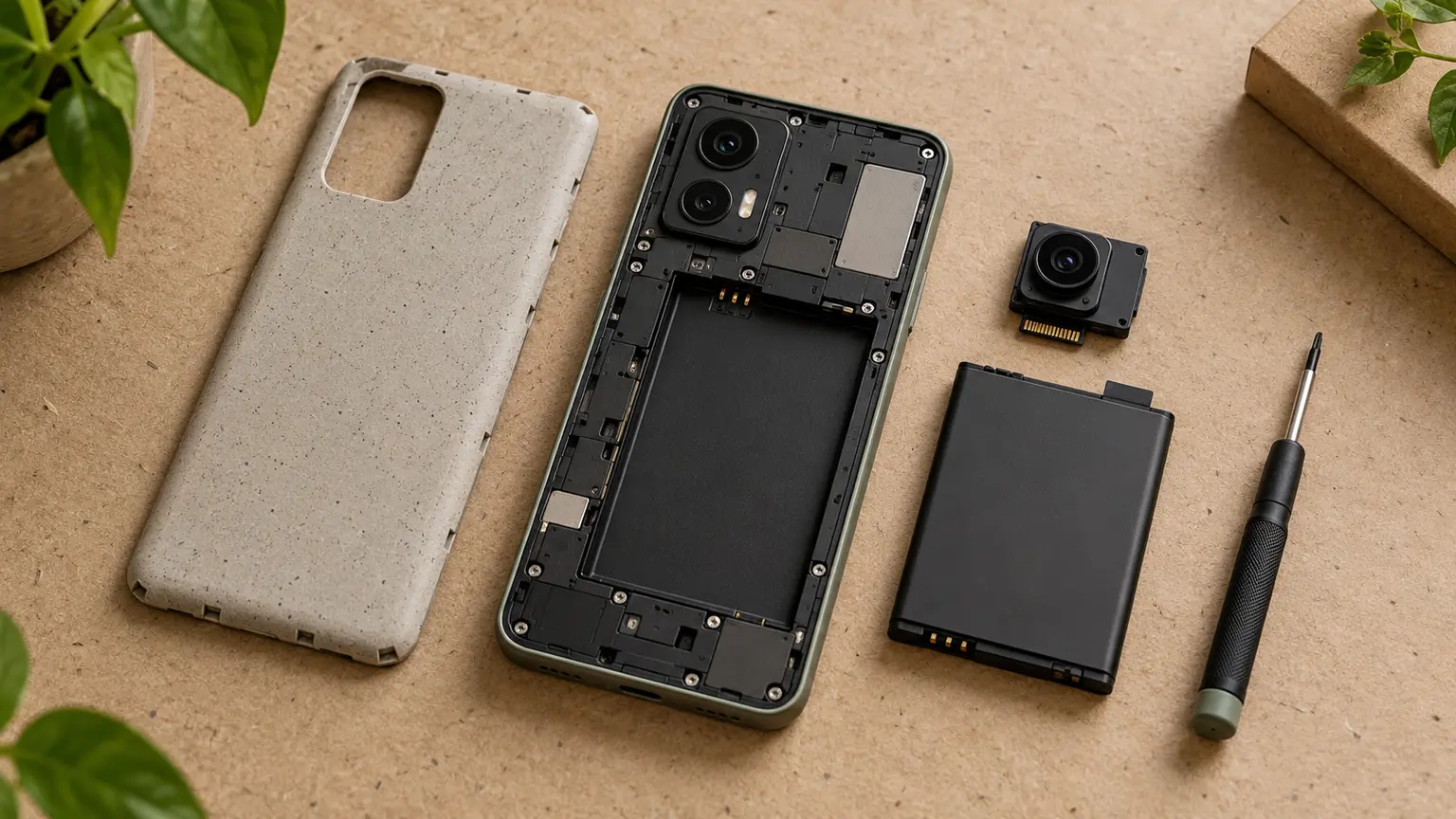
Samsung lists IP67 protection under specified laboratory conditions and states that water resistance can diminish with wear. Treat that as a limited protection claim, not permission to use the phone in a pool. On a used unit, a prior screen or battery repair introduces another question: what sealing procedure was performed and what does the repair warranty actually cover?
You usually cannot establish the integrity of a seal by looking at the phone. The sensible response is to avoid intentional liquid exposure and ask for the repair record, rather than using the rating as a reason to ignore it. A scratched frame, cracked back or lifting display also belongs in the purchase assessment because several repairs can erase a modest discount.
| Offer | Potential advantage | The check that decides it |
|---|---|---|
| Local new unit | Clearer local service route | Named warranty provider and claim process |
| Imported new unit | Potentially lower purchase cost | Region, network and local service eligibility |
| Used unit | Larger discount | Battery behaviour, repair history and return window |
| Refurbished unit | Documented refurbishment may help | Exactly what was replaced and what is warranted |
Calculate the discount you actually receive
Use this simple comparison: alternative price minus A56 price, minus any accessories, immediate repair and transaction costs. If a used offer saves 80 currency units but requires a 60-unit repair and a missing charger you would otherwise receive, the meaningful saving is much smaller than the headline difference. These are illustrative numbers, not current prices.
The remaining saving needs to compensate you for the particular uncertainty you accept. Cosmetic wear with a good return policy is different from an unexplained charging fault with no returns. A seller’s claim that a fault is cheap to fix does not substitute for a written quote from the person who will fix it.
A sensible purchase condition
The A56 is strongest when its support policy, screen size and storage fit your needs and local service is straightforward. It becomes a weaker choice when the seller cannot identify the model, account status or warranty arrangement. That remains true even if the phone is described as sealed, premium or almost new.
Before buying, write a short acceptance condition: exact model and storage, working network functions, account-free activation, no unexplained hardware faults and the agreed return terms. Check those conditions while you can still return the device. That gives the long update policy a sound purchase to support.