iPhone 16 Ownership Review: The Storage Choice and Repair History Matter More Than the Discount
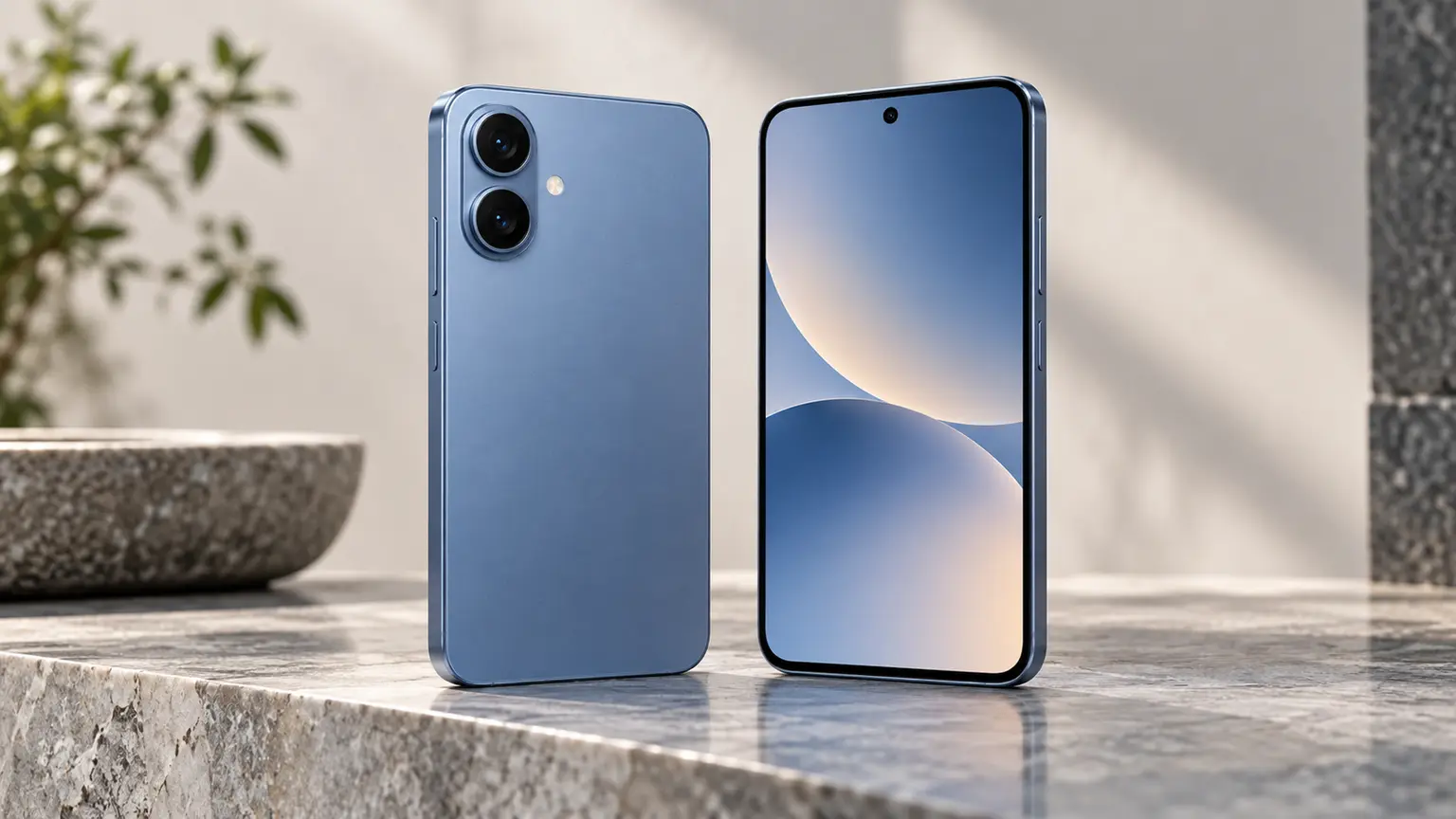
The iPhone 16 can be worth considering as a discounted or used purchase when you want iOS and do not need to buy the newest generation. The main ownership questions are the condition of the particular unit, whether its storage will remain sufficient and how much a battery or screen repair would cost. A lower sticker price is useful only if those answers fit the years you expect to keep it.
Apple’s technical specifications identify the base iPhone 16 as a 2024 model with A18, a 6.1-inch OLED display and storage options of 128GB, 256GB and 512GB. This documentation-based review assesses buying and maintenance decisions. It does not provide hands-on camera comparisons or a measured battery-runtime result.
Decide whether the base model meets the job
The base iPhone 16 and the iPhone 16 Pro are different products, so a seller’s shorthand should not replace an exact model check. One practical difference for this review is the base model’s USB-C data connection: Apple lists USB 2 up to 480Mb/s. That can matter when moving large video libraries over a cable, even though it may be irrelevant to someone who rarely transfers files that way.
Work out the tasks that justify spending more. Frequent wired video transfer, a specific camera requirement or another feature may have a clear value to one buyer. If your main tasks are communication, reading, maps and ordinary photos, a newer or more expensive badge does not by itself establish a better ownership outcome. Confirm the actual feature you need instead of buying an assumption about the name.
Storage is a decision you should not postpone
Check occupied storage on your current phone before choosing a discounted capacity. Include offline media, downloaded maps, message attachments and files you retain for work. Cloud storage may help with a photo library, but it brings its own cost and dependence on a connection. It is not a universal substitute for sufficient space on the device.
For an illustrative owner using 85GB today and adding 12GB annually, three more years adds 36GB. That is already 121GB before allowing for further system overhead and working space. The example does not make 128GB unsuitable for everyone; it makes it a poor fit for that particular pattern. Calculate your pattern rather than adopting someone else’s capacity recommendation.
A high battery-health number is only one clue
On a used device, inspect battery information together with runtime behaviour, repair history and the seller’s account of the phone. A health estimate can help identify wear, but it cannot establish the quality of a repair or guarantee that the device behaves well under your workload. Ask for the battery-replacement invoice if the seller says it was recently changed.
During the permitted inspection period, check for unexpected shutdowns, unusual heat, inconsistent charging and rapid drops during the tasks you actually use. Keep the test modest and repeatable rather than demanding a full battery discharge before purchase. A device with swelling or a lifting display needs qualified assessment, not a negotiation over the health percentage.
Make repair costs visible before accepting a bargain
Get a local battery quote and screen quote for the base iPhone 16. Ask what part and calibration process are included, how long the work takes and who warrants the result. A repair cost from another country may not describe your options. An imported model may also have different service eligibility, which should be established before you rely on it.
Apple’s specification page is not a promise of a fixed future operating-system end date for this model. Do not borrow a seven-year guarantee from an Android manufacturer or invent a deadline from Apple’s history. For a used purchase, verify present compatibility with supported software and leave future support beyond published commitments as an uncertainty in the plan.
| Inspection item | What a buyer should establish |
|---|---|
| Activation | Previous account removed and setup completed legitimately |
| Network | Correct regional model, carrier status and your SIM or eSIM arrangement |
| Parts and repairs | Disclosed repair history and any visible parts/service notices |
| Hardware | Charging, touch, cameras, microphones, speakers and buttons work |
| Exit protection | Return deadline and the party responsible for a fault |
Use a risk-adjusted maximum offer
Start from the price of a comparable unit with the condition and warranty you would prefer. Subtract immediate repairs, missing accessories and any added transaction costs. Then decide the extra discount you require for unresolved uncertainty. If the seller’s price remains above that ceiling, the deal is not improved by calling the device almost new.
For example, a hypothetical used unit at 500 plus a 90 battery repair costs 590 before other expenses. A comparable warranted offer at 650 leaves a 60-unit saving, not 150. Whether 60 is enough depends on the return policy and risks you accept. These are planning figures, not current market prices or repair quotations.
The offer to accept
An iPhone 16 purchase makes sense when you want iOS, the chosen capacity fits your growth and the individual phone passes account, network and hardware checks. A well-documented used unit can be preferable to an apparently cheaper one with unanswered repair questions. The condition of the unit matters more than a broad claim that all iPhones last a certain number of years.
Write your acceptance criteria before meeting the seller, then keep the invoice and inspection evidence. If the model, capacity, activation and repair record match the offer, the discount can have a clear purpose. If the seller rushes those checks or asks you to accept an unexplained fault, the saving has not yet been established.